Advanced Digital Network 933098471 Optimization
The optimization of Advanced Digital Network 933098471 requires a thorough understanding of its components and architecture. Strategic management of routers and switches plays a critical role in enhancing overall performance. Effective traffic management and bandwidth allocation can alleviate common issues like congestion and latency. However, organizations must also address specific challenges that arise during optimization. Identifying key metrics for success will further inform their strategies moving forward. What methods can be employed to ensure continuous improvement?
Understanding the Components of Advanced Digital Network 933098471
As digital networks evolve, understanding their components becomes essential for optimizing performance and enhancing reliability.
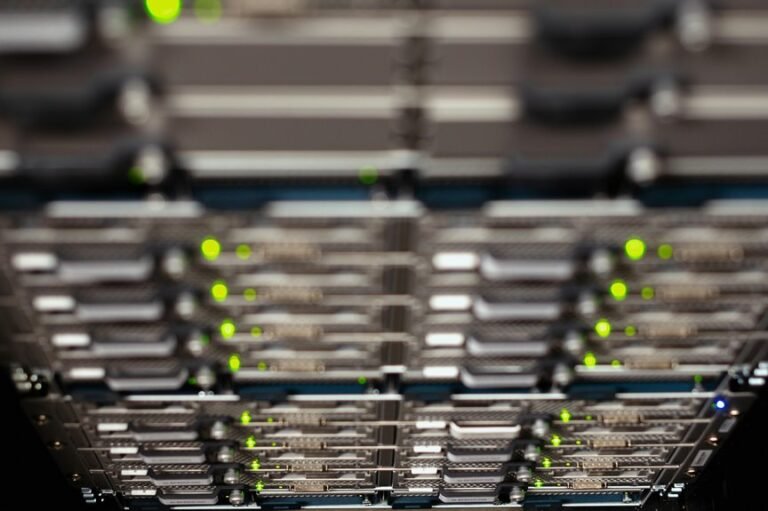
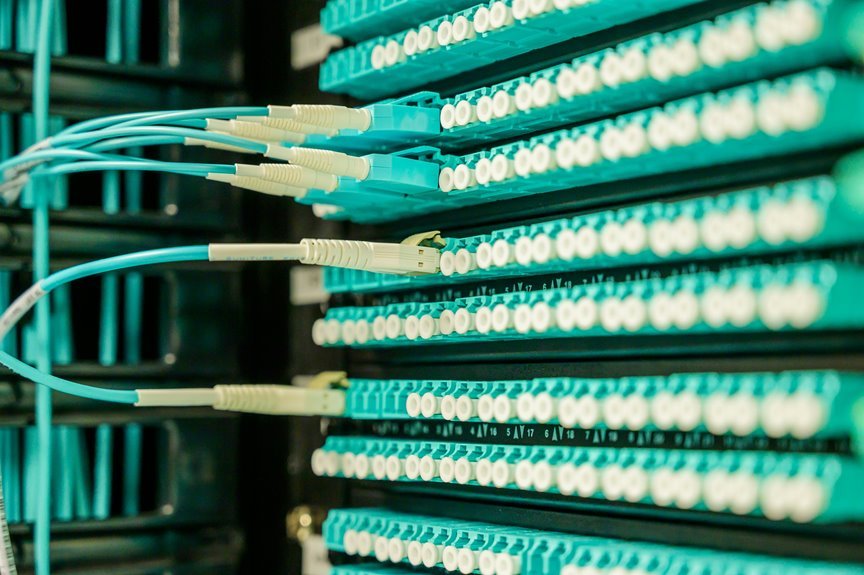
The architecture of an advanced digital network defines how data transmission occurs between various nodes. This includes routers, switches, and protocols that facilitate efficient communication.
Key Strategies for Enhancing Network Performance
Enhancing network performance requires the implementation of targeted strategies that address specific challenges within digital infrastructures.
Effective traffic management ensures optimal data flow, minimizing congestion and latency. Additionally, precise bandwidth allocation maximizes resource utilization, allowing for seamless connectivity.
Common Challenges in Network Optimization and How to Overcome Them
While organizations strive for optimal network performance, they often encounter several common challenges that impede efficiency.
Bandwidth bottlenecks can restrict data flow, leading to significant slowdowns, while latency issues introduce delays in communication.
To overcome these obstacles, proactive monitoring and adaptive resource allocation are essential.
Implementing advanced analytics can help identify and mitigate these challenges, ensuring a more robust network environment.
Measuring Success: Metrics for Evaluating Network Efficiency
How can organizations effectively measure network efficiency to ensure optimal performance?
By analyzing key metrics such as bandwidth utilization and latency reduction, organizations can identify bottlenecks and enhance throughput.
Bandwidth utilization quantifies the effective use of available capacity, while latency reduction measures the speed of data transfer.
Together, these metrics provide a comprehensive view of network performance, guiding strategic improvements for efficiency and reliability.
Conclusion
In conclusion, optimizing Advanced Digital Network 933098471 requires a comprehensive understanding of its components and the implementation of strategic management practices. For instance, a hypothetical organization that enhanced its bandwidth allocation strategies observed a 30% reduction in latency, leading to improved user satisfaction and productivity. This example underscores the importance of proactive monitoring and adaptive resource allocation, demonstrating that targeted optimization efforts can significantly enhance network performance and align with broader organizational objectives.